Get-A-Grip
The Get-A-Grip is a patent pending arm brace a team of myself and 4 other individuals designed to revolutionize strength training for individuals with compromised grip strength. It exceeds industry safety standards and implements an easy-to-use mechanism that assists users in gripping bars. Users simply wraps the attached green strap around a barbell or dumbell and locks the strap in place using an internal safety mechanism below the wrist. This mechanism can be locked and unlocked by lightly pushing up the integrated bar above the wrist.
I took lead on the design, development, manufacturing of the locking rod mechanism. Within this position I created detailed CAD assemblies, conducted FEA simulations, and created Motion Study animations within SolidWorks. As a team we coordinated with third party manufacturers in China to laser sinter our load bearing components and conducted verification and validation testing to ensure their feasibility and user experience.
Problem Statement
In a world where grip strength diminishes drastically with age and disease, the fitness industry lacks adequate technology to allow those affected to utilize gym equipment safely. Unfortunately, current prior art on the market falls short as they disallow the user from easily detaching themselves from the barbell or dumbbell. Additionally, they do not offer a 360 degree hold around the bar for full range of motion exercises.
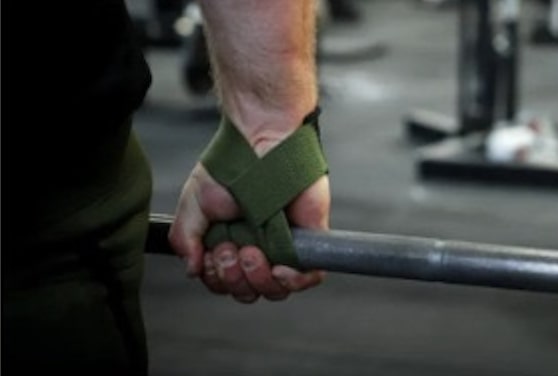
Traditional Weightlifting Strap
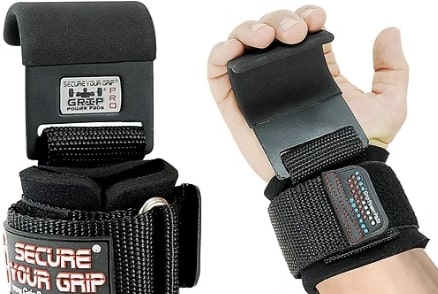
Secure Your Grip – Weightlifting Hooks
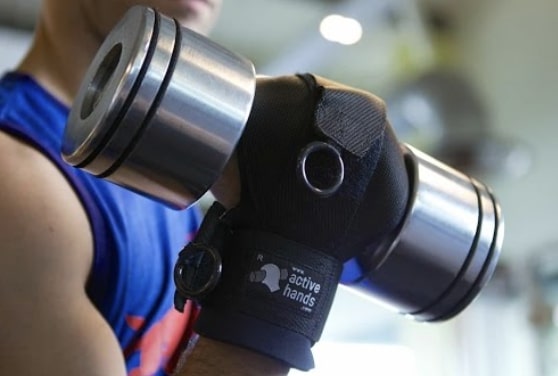
Active Hands – Weightlifting Glove
User Experience
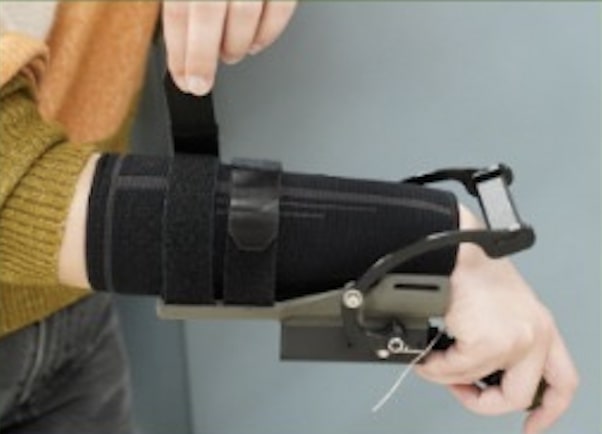
Put on sleeve & strap in.
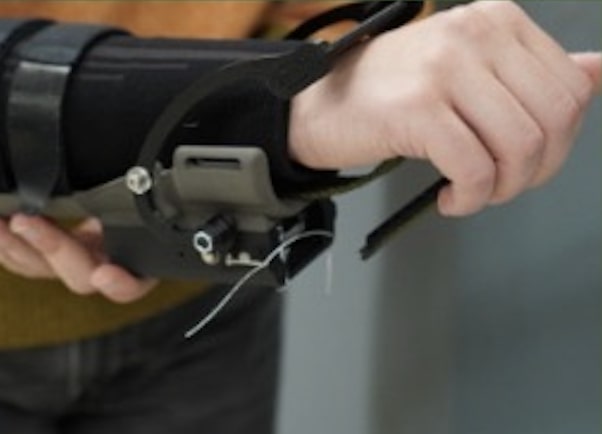
Feed strap into lower slot.
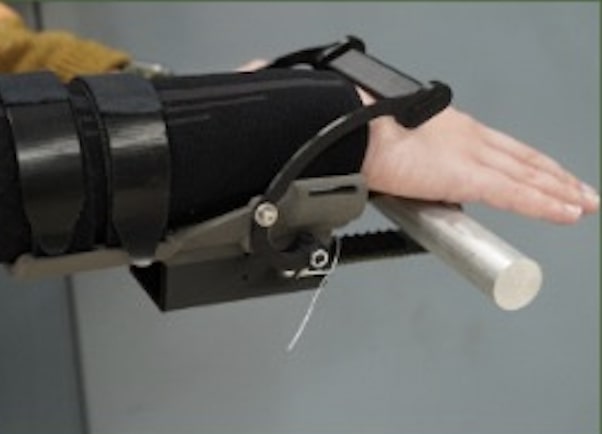
Do your pulling exercises.
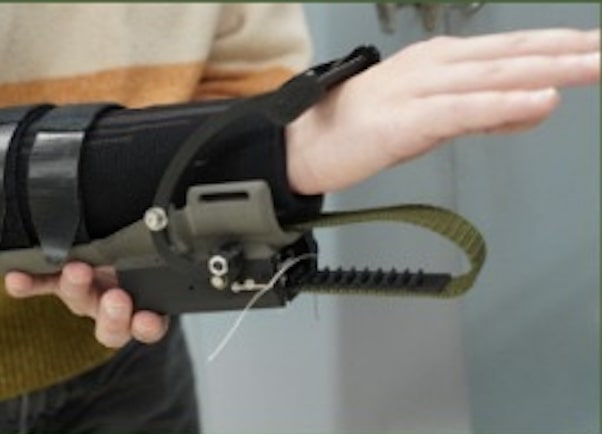
Lift wrist to unlock!
CAD Design
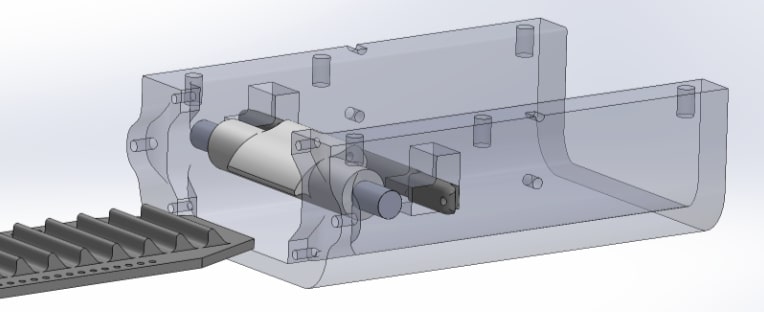
Our Ratcheting Tooth Strap Mechanism
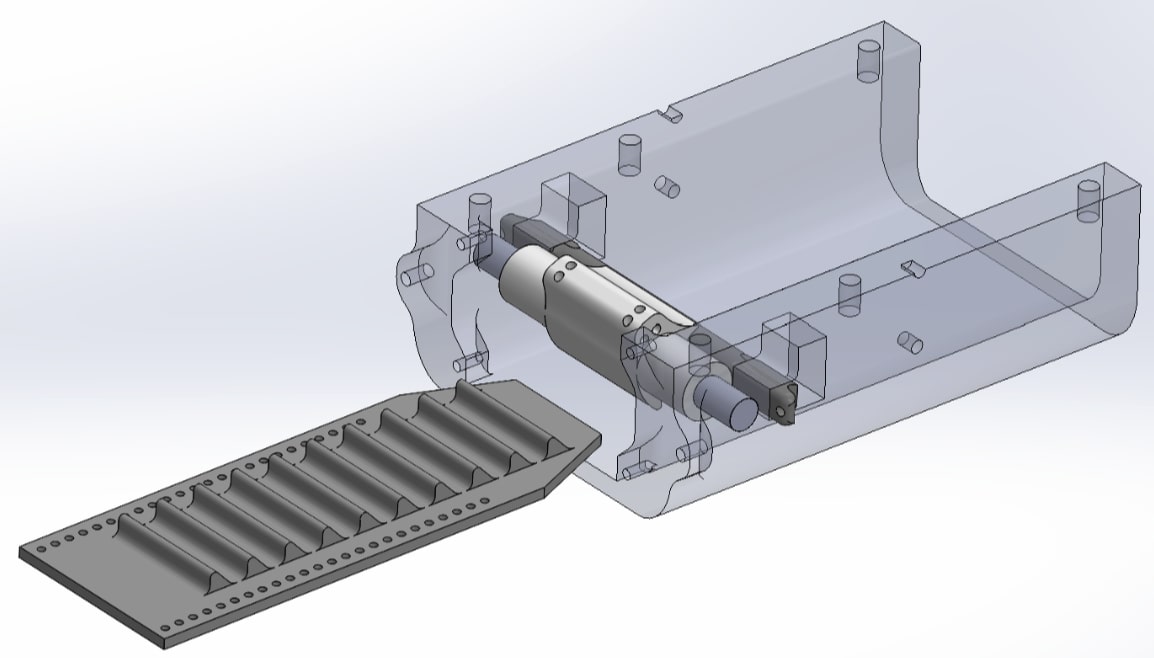
Locked
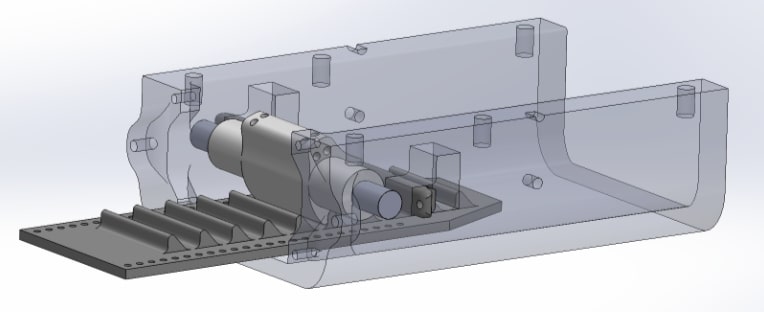
Unlocked
Finite Element Analysis & Material Selection
Finite Element Analysis was conducted on the main load baring components: Pawl, Toothed Plate, and Locking Rod Mesh convergence was conducted on each part to ensure reliable and accurate simulation results.
The material of 4340 steel alloy was selected due to its high yield strength of 740-1860 MPa. The Factor of Safety of 3 was achieved for all parts in accordance with ASTM gym equipment standards.
Note that FEA was conducted throughout the design process. Simulation results were used to inform iterative design choices and final geometries.
Pawl Loading
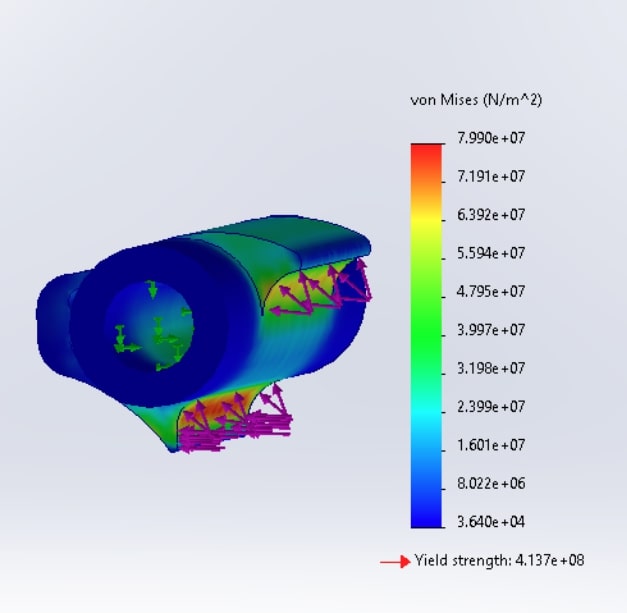
Max von Mises Stress = 80 MPa
Pawl FOS
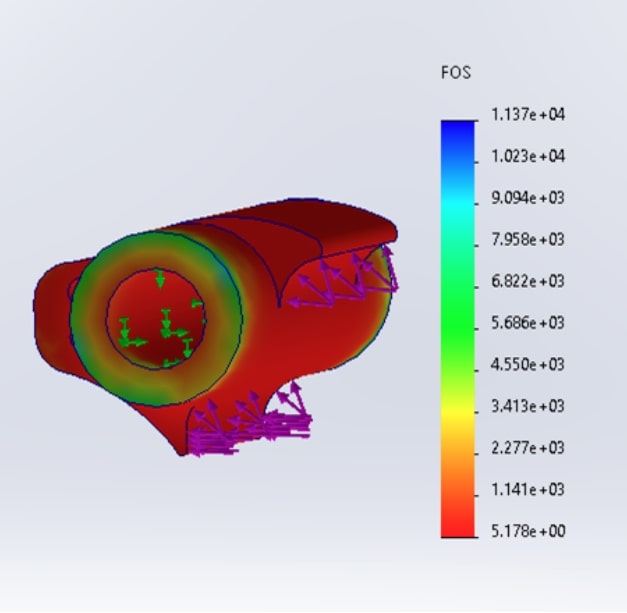
FOS = 5.2
Toothed Plate Loading
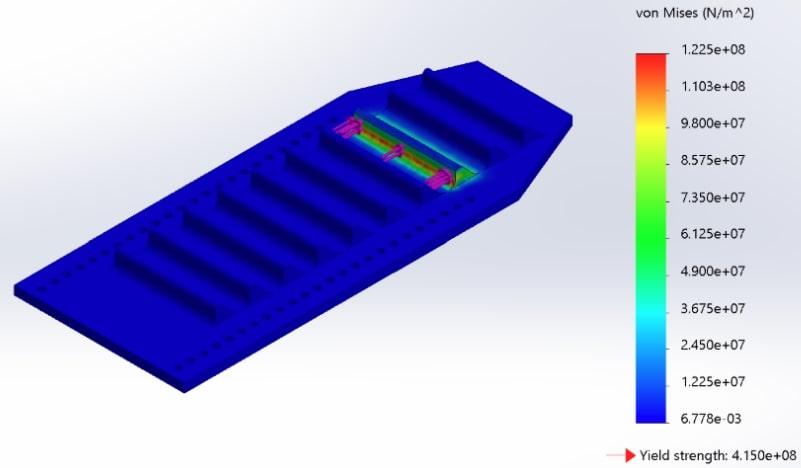
Max von Mises Stress = 128 MPa
Toothed Plate FOS
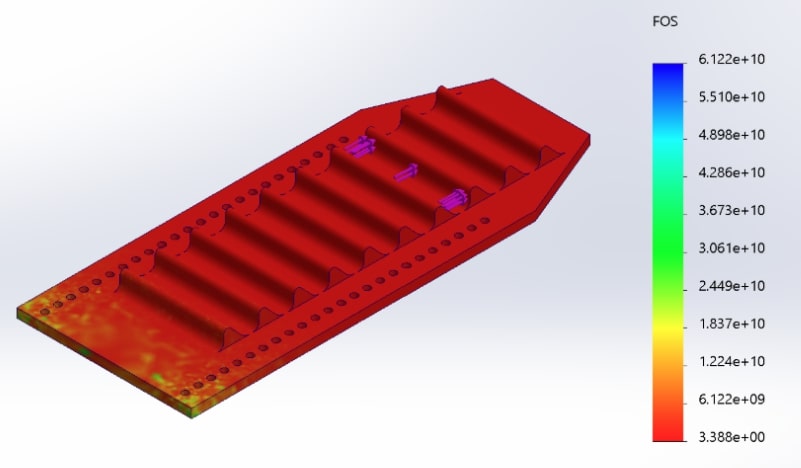
FOS = 3.4